
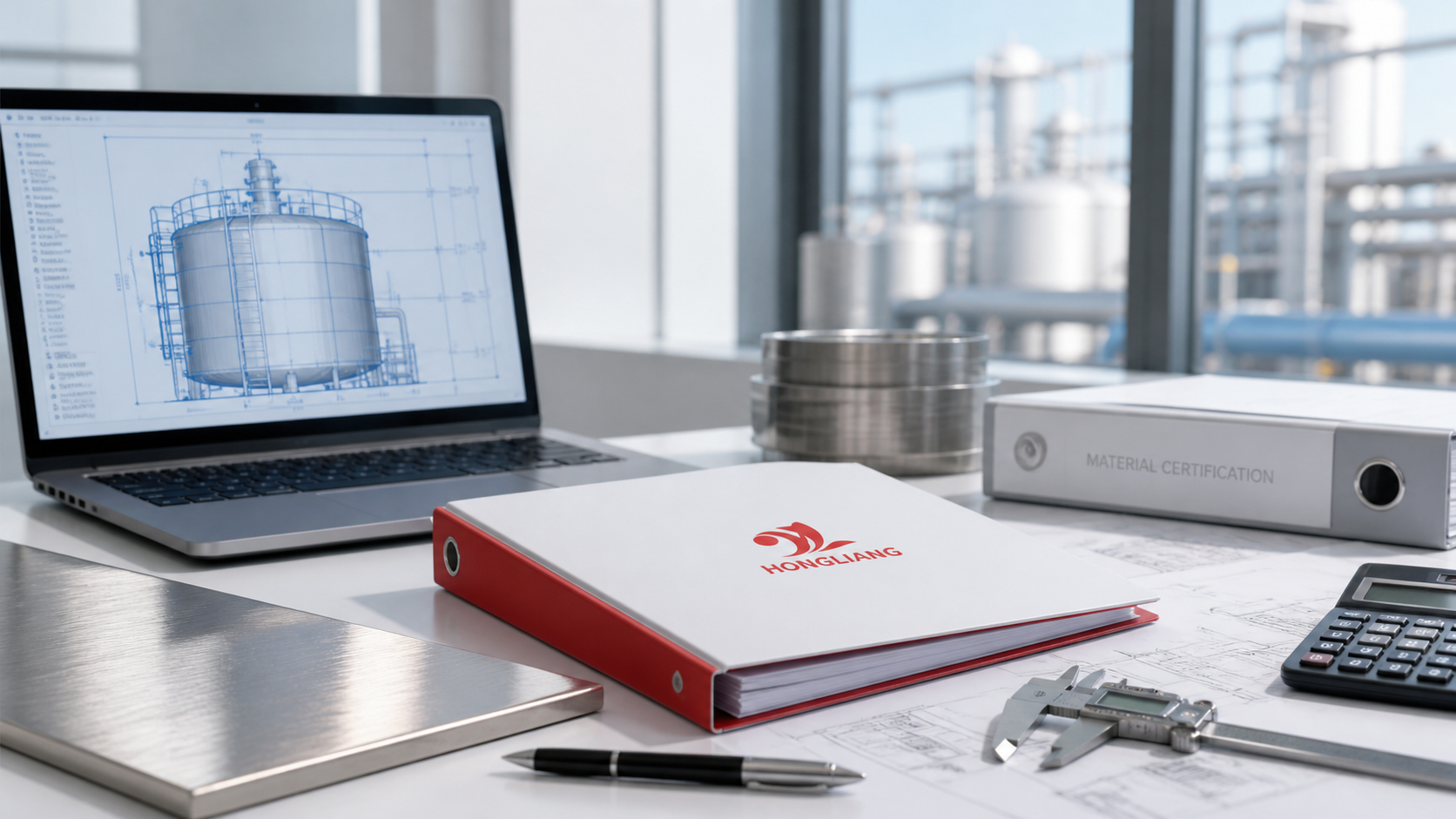
A stainless steel sectional water tank is not an off-the-shelf commodity. The correct solution depends on water quality, usable installation space, operating conditions and local project requirements. The six checks below help buyers compare proposals on a like-for-like basis.
Choose the right stainless steel grade
SS304 is widely used for potable water and general building-services applications. SS316 provides stronger resistance in coastal, chemically aggressive or higher-chloride environments. The material decision should follow water analysis, ambient conditions and the project specification—not price alone.
Ask the supplier to confirm the panel material, internal components, fasteners and connection fittings separately. A tank described as “SS316” should clearly state which parts use that grade.
Calculate usable tank capacity
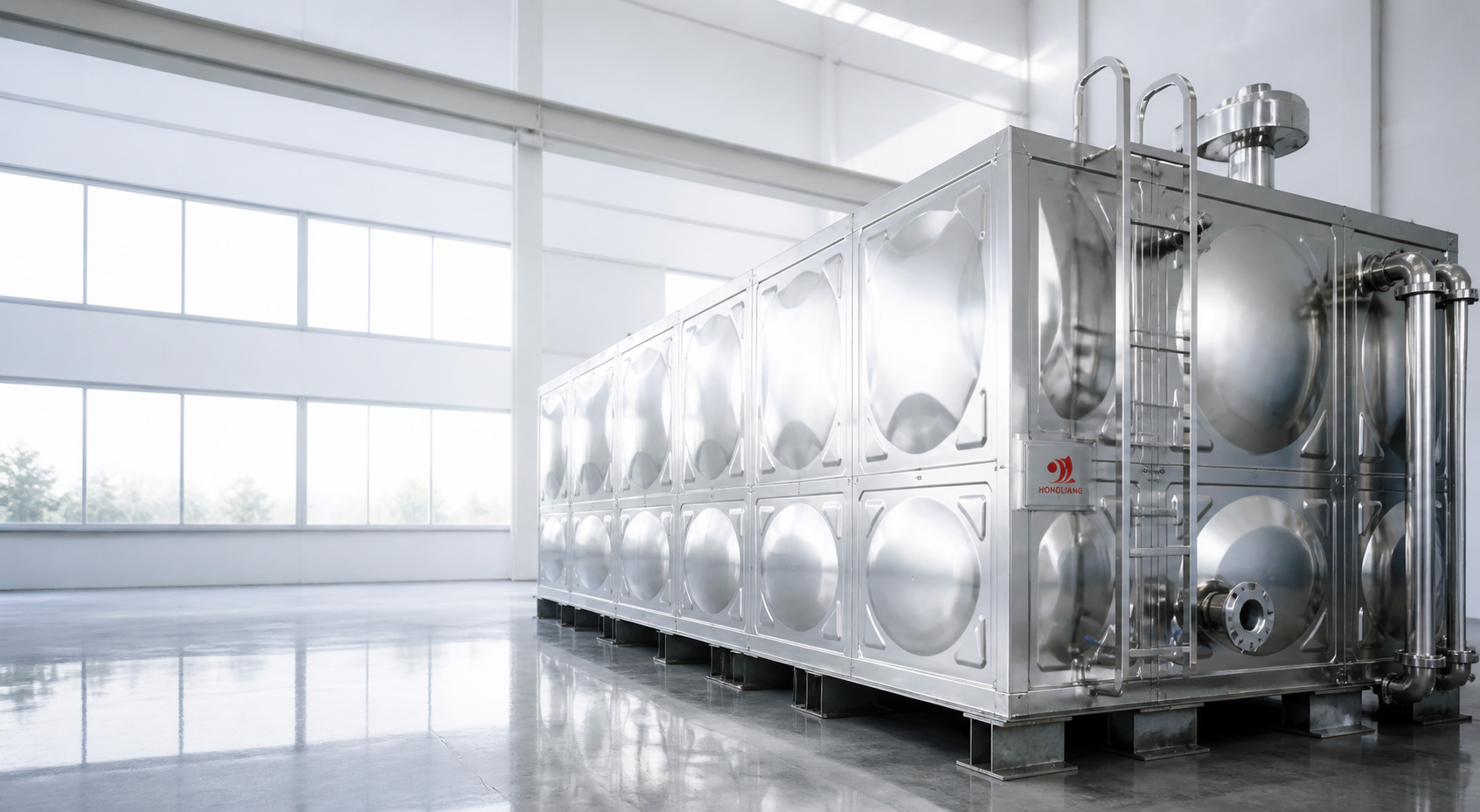
Nominal dimensions do not equal usable storage volume. Capacity calculations should account for freeboard, overflow level, operating level, internal bracing and any compartment division. Provide the supplier with required effective capacity and the maximum available length, width and height.
Confirm panel and structural design
Panel thickness and reinforcement must be engineered according to water depth and load conditions. Review panel sizes, tie-rod configuration, roof support, base arrangement and seismic or wind requirements where relevant.
- Panel thickness schedule by tank level
- Internal and external reinforcement materials
- Roof loading and access requirements
- Foundation flatness and support details
Plan installation and maintenance access
Sectional construction is especially useful where access is restricted, but assembly still requires working clearance. Confirm doorway sizes, lifting routes, overhead restrictions and maintenance space around manholes, ladders, valves and flanges before approving the final layout.
Good tank engineering begins with the installation room—not with a standard tank dimension.
Evaluate the manufacturer
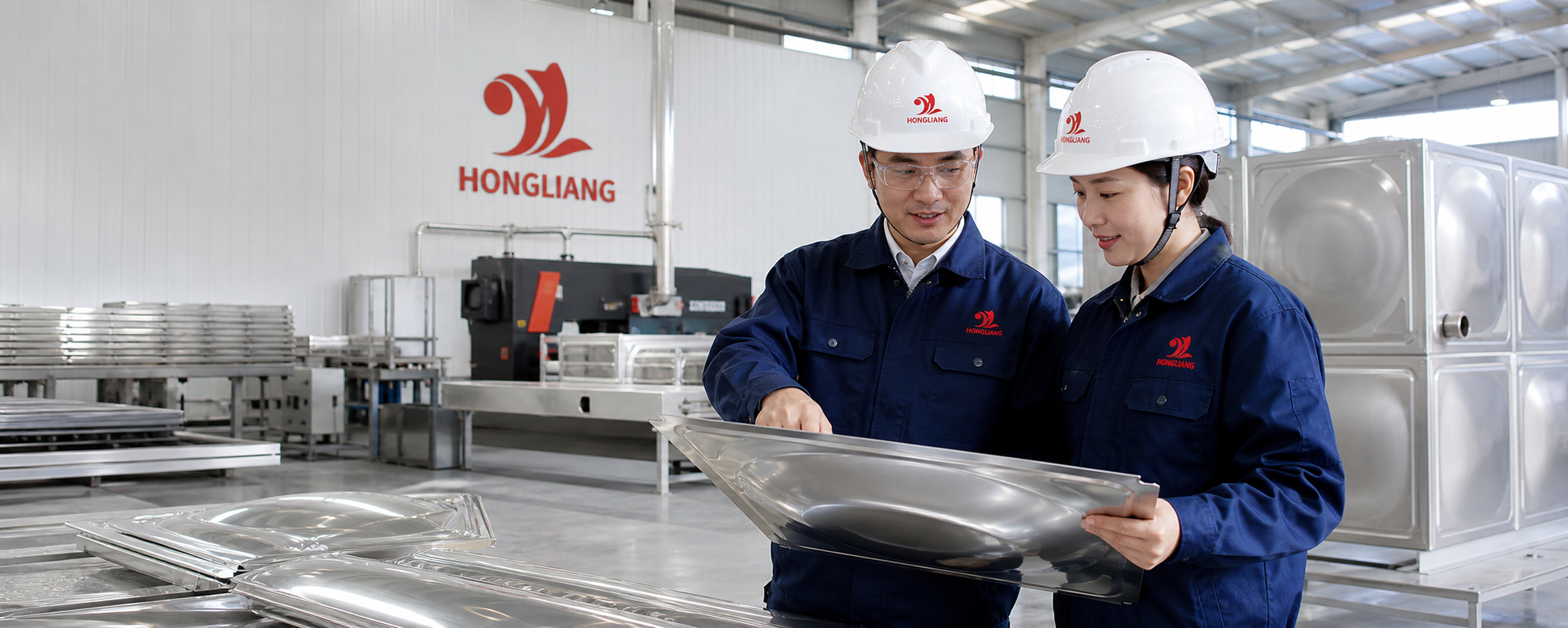
A credible supplier should be able to explain its production and inspection process, provide relevant material documentation, issue coordinated drawings and support installation. Factory evidence is more useful when it shows real panel forming, assembly, inspection and export packing.
What to request
- Material and quality documentation
- General arrangement drawings
- Accessory and connection schedule
- Packing list and installation guidance
RFQ information checklist
Providing complete project information helps the engineering team respond faster and reduces quotation revisions.
Need help configuring your tank?
Send us your capacity, available dimensions and water application. Our engineering team will recommend a suitable sectional tank configuration.
Request an engineering review →